Gym equipment maintenance is the scheduled inspection and servicing of machines, free weights and mats that extends asset life and prevents injury claims.
Every machine, dumbbell, and mat in your facility is a revenue-generating asset. When a leg press jams, a cable frays, or a set of rubber hex dumbbells starts peeling, you lose more than a workout station — you lose members, incur repair costs, and open yourself to injury claims. A disciplined gym equipment maintenance checklist is the single cheapest insurance policy a gym owner can buy.
This guide gives you a practical, tiered maintenance schedule (daily, weekly, monthly, quarterly, annual), explains how to care for the main equipment categories, and shows you what to look for when buying equipment so that maintenance stays manageable from day one. At the end, we explain how sourcing the right commercial-grade equipment — the kind made for high-traffic use — dramatically cuts your long-term upkeep bill.
Why preventive maintenance pays for itself
Reactive maintenance (fixing things only after they break) costs 3 to 5 times more than planned preventive care. The reasons are straightforward:
- Downtime kills revenue. A broken multi-station machine that sits idle for two weeks is dead floor space and a visible signal to members that the gym is neglected.
- Small issues compound. A loose bolt on a Smith machine turns into a bent guide rod or a damaged carriage if ignored. A $2 bolt becomes a $200 component.
- Safety and liability. The leading cause of gym injuries is poorly maintained equipment. In the US and EU, facilities are expected to follow manufacturer maintenance guidance; ignoring it weakens your position in any liability claim.
- Equipment lifespan. Well-maintained commercial strength equipment commonly lasts 7–15 years. Neglected equipment can fail in 2–4.
The good news: most of the checklist below takes minutes a day and costs almost nothing.
The tiered gym equipment maintenance checklist
Below is a schedule you can hand directly to a floor supervisor or maintenance tech. Tailor frequencies to your member volume — a high-traffic 24-hour gym should run weekly items twice as often as a boutique studio.
Daily (5–10 minutes, walk-through)
- [ ] Wipe down upholstery, handles, and grips with a non-abrasive disinfectant.
- [ ] Visually scan cables, straps, and resistance bands for fraying or cuts.
- [ ] Check for loose bolts, wobbly frames, or unusual squeaks during use.
- [ ] Re-rack free weights; check dumbbell and plate storage for overloading or leaning racks.
- [ ] Sweep or mop flooring around machines to prevent debris from getting into tracks.
- [ ] Confirm warning labels and instruction placards are intact and legible.
Weekly
- [ ] Lubricate guide rods, seat posts, and pivot points on strength machines.
- [ ] Torque-check all visible fasteners on benches, racks, and machines.
- [ ] Inspect cable systems end-to-end: coating, end fittings, and pulley wear.
- [ ] Check rubber dumbbells and bumper plates for cracked or separating coating.
- [ ] Test selector pins and weight stacks for smooth, secure engagement.
- [ ] Wash yoga mats and gym balls with mild detergent; air-dry fully.
Monthly
- [ ] Deep-clean upholstery and remove chalk, sweat salts, and grip-tape residue.
- [ ] Inspect welded joints and frame paint for cracks or rust; touch up chips.
- [ ] Verify all adjustment mechanisms (seat height, back pads, range limiters) lock firmly.
- [ ] Check dumbbell handles for looseness between the cast head and the grip.
- [ ] Inspect resistance bands and tubing for thinning, brittleness, or permanent deformation.
- [ ] Review the maintenance log for repeat offenders and schedule deeper service.
Quarterly
- [ ] Professional inspection of structural frames, bearings, and cable terminations.
- [ ] Re-tension or replace worn cables, straps, and pulleys as needed.
- [ ] Rotate or re-grip bars with worn knurling.
- [ ] Check floor anchoring and level all machines.
- [ ] Service cardio drive belts and decks (if you run cardio equipment).
Annual
- [ ] Full disassembly, clean, and re-lubrication of major machines.
- [ ] Replace all consumables: cables, belts, grips, upholstery, and rubber feet.
- [ ] Structural weld inspection by a qualified technician.
- [ ] Review equipment ROI: repair vs. replace decisions (see below).
Maintenance by equipment category
Different equipment fails in different ways. Here is how to target your care.
Free weights: dumbbells, barbells, and plates
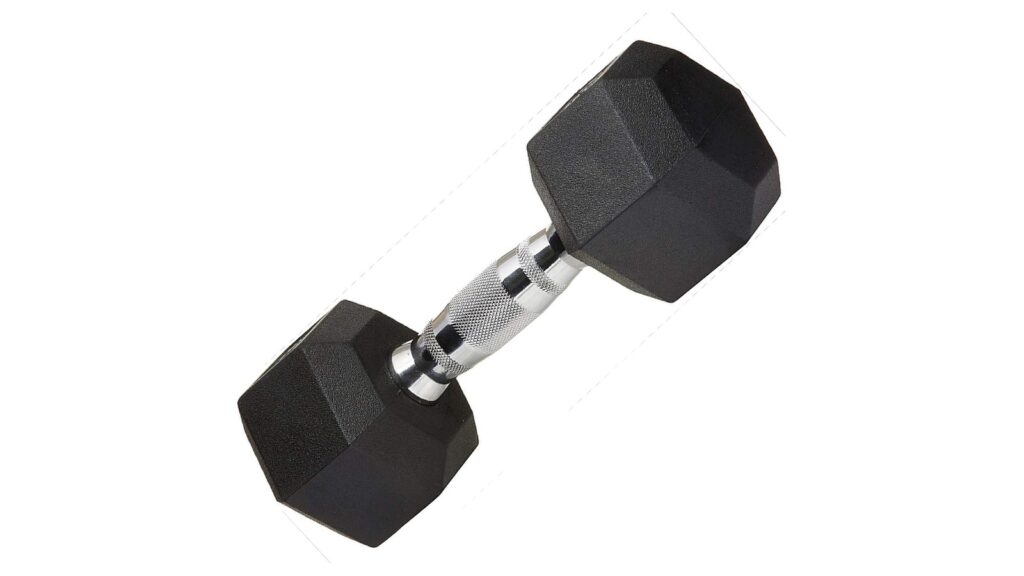
Rubber hex and cast iron dumbbells are the workhorses of any gym. The two biggest failure modes are coating failure and head loosening.
- Rubber hex dumbbells — the rubber or TPU coating protects both the dumbbell and your floor. A cracked or peeling head will continue to degrade and can chip. Wipe them regularly, avoid dropping onto concrete, and retire any pair with separated coating. The chrome-plated steel handle should stay smooth and rust-free; a wipe with a dry cloth after sweaty use prevents corrosion.
- Cast iron hex dumbbells — these are nearly indestructible but can rust in humid environments. A light wipe and dry storage prevents surface rust. Touch up chips with paint to stop pitting.
- Barbells and plates — check collars and lock rings for a secure fit before every use. Rubber-coated Olympic sets should be inspected for coating cracks around the sleeve edges, where drops concentrate impact.
Pro tip: buy dumbbells with a solid one-piece cast head rather than a two-piece press-fit design. A one-piece head can’t loosen, which removes the most common dumbbell maintenance task entirely.
Strength machines: Smith machines, leg presses, multi-stations
Machines with moving parts — guide rods, bearings, cables, and weight stacks — need the most consistent attention.
- Guide rods must stay clean and lightly lubricated. Dirt on a chrome guide rod is sandpaper for the carriage. Wipe rods weekly and apply a thin film of suitable lubricant.
- Cables and pulleys are wear items. Inspect for broken strands, flat spots on pulleys, and cracked cable end fittings. Replace at the first sign of damage — a snapped cable under load is a serious safety event.
- Weight stacks should travel smoothly and lock positively on the selector pin. Bent selector pins and burred guide bushings are cheap to replace and should never be ignored.
- Frames — touch up paint chips promptly. Exposed steel on a chrome or painted frame will rust, especially in humid or coastal climates.
Accessories: resistance bands, kettlebells, mats, and balls
These are lower-risk but degrade fast if ignored.
- Resistance bands (latex or TPE) lose elasticity and develop micro-tears with age and UV/chlorine exposure. Inspect before each use by stretching slightly; retire any band that shows cracks, thinning, or a chalky surface. Replace bands on a fixed calendar schedule (typically every 6–12 months in commercial use).
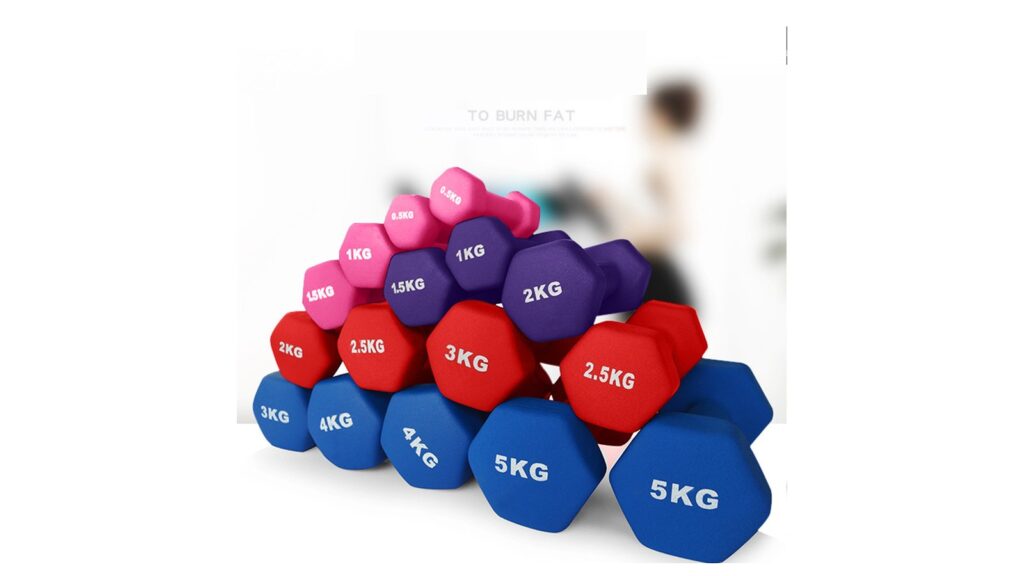
- Kettlebells — neoprene-coated kettlebells should be checked for coating tears; a torn coating exposes the sand/iron core and accelerates wear. Cast iron + vinyl-coated kettlebells (the classic dip-coated style) resist chipping well.
- Yoga mats — clean and disinfect between classes. Roll TPE and NBR mats loosely (not tightly) to prevent permanent creasing, and store out of direct sunlight, which breaks down the foam.
- Gym balls and foam rollers — check for slow leaks and softening; a ball that can’t hold pressure is a safety hazard for core work.
Early warning signs: what to watch (and when to act)
Most equipment “fails suddenly” only in appearance — the warning signs were there for weeks. Train your floor staff to flag these:
- Squeaks, grinding, or knocking during a movement → dry or worn bearings/bushings. Lubricate and re-check; persistent noise means a component is worn out.
- A cable that feels “sticky” or shows broken strands → replace immediately. Never wait for a full snap.
- A selector pin that wobbles or sticks → worn guide bushings or a bent pin; cheap to fix now, expensive if the stack jams under load.
- Rubber coating that lifts at the edges → moisture has gotten under the coating. Retire the pair; it will only get worse.
- Rust bloom on handles or frames → humidity problem. Wipe and dry after use, and consider a dehumidifier in storage areas.
- A mat or ball that no longer holds its shape/pressure → replace. Foam and rubber lose integrity with age and UV exposure.
- Loose or missing floor anchors on a machine → a serious tip-over and injury risk. Tighten and re-level immediately.
A useful discipline: have the closing-shift staff walk the floor with the daily checklist and log anything odd. Review the log weekly and you’ll spot most failures a week or two before they interrupt a member.
Who owns maintenance, and the log that makes it stick
Maintenance fails when nobody owns it. For a single-site gym, assign one lead (often the floor manager or head coach) as the accountable owner, with a backup. For multi-site or franchise operations, standardize a single checklist and log so every location follows the same standard.
Keep a simple maintenance log — a spreadsheet is enough — with columns for: date, equipment ID/model, issue, action taken, parts used, and who signed off. Two benefits:
- Accountability. You can see at a glance which items are repeat offenders and whether weekly tasks are actually being done.
- Liability protection. A dated log of inspections and repairs is exactly the kind of record that demonstrates due diligence if an incident is ever questioned.
Repair vs. replace: a simple decision rule
Use this quick rule when the quarterly or annual review flags a problem:
- Replace immediately: any damaged cable, worn pulley, cracked weld, or separating rubber coating — these are safety items with no safe repair.
- Repair when cost < 40–50% of replacement and the item isn’t structural: re-gripping a bar, replacing upholstery, new selector pins, new feet.
- Replace when repair is cosmetic-on-structural (a bent frame, a corroded guide rod) or when downtime plus parts exceeds the value of a new unit.
For commercial operators, the real savings come from buying equipment that rarely enters the “replace” column in the first place.
Buy equipment that is cheap to maintain
Half of maintenance cost is decided at the point of purchase. When sourcing for your gym or for resale, look for these “low-maintenance” build characteristics:
| Equipment | Low-maintenance feature to look for |
|---|---|
| Dumbbells | One-piece cast head, rubber/TPU-coated, chrome handle |
| Barbells & plates | Rubber-coated Olympic sets with secure lock collars |
| Strength machines | Thick-wall steel tube frame, chrome guide rods, quality cables & pulleys |
| Kettlebells | Dip-coated cast iron + vinyl (chip-resistant) |
| Yoga mats | High-density TPE/NBR that resists tearing and creasing |
| Bands | High-grade natural latex or TPE with consistent elasticity |
As a manufacturer that supplies wholesale and OEM fitness equipment, UnivFitness builds commercial-grade equipment with these characteristics in mind. Examples from our catalogue include:
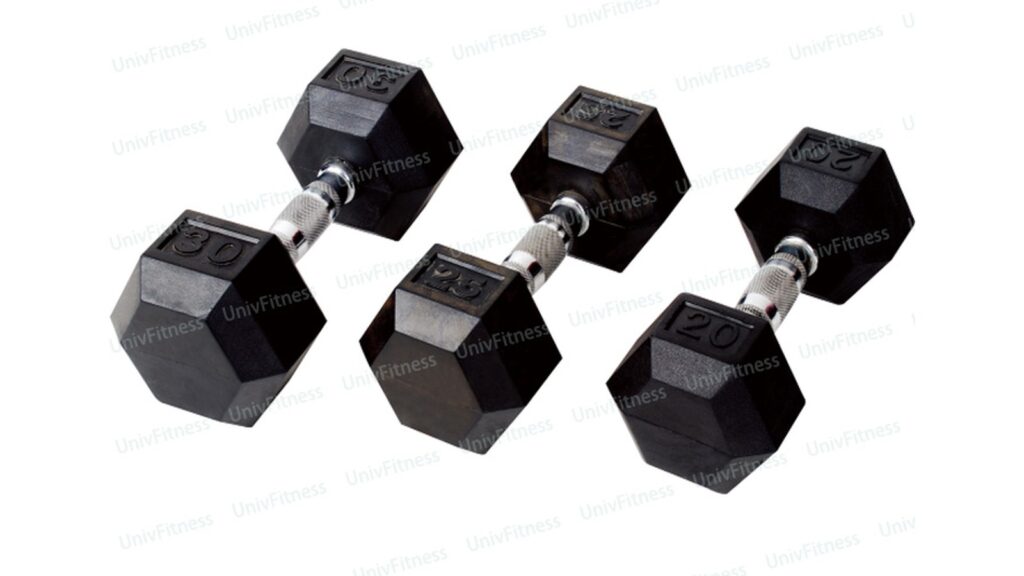
- Rubber hex dumbbells (model UV10801), 2.5–50 kg, with rubber/TPU/PEV coating options and a chrome-plated steel handle — a durable, low-maintenance one-piece design for high-traffic floors.
- Cast iron hex dumbbells (model UV10601), 2.5–50 kg, for buyers who prefer an uncoated, near-indestructible head.
- Rubber-coated Olympic barbell set (model UV13705), a 132 kg set with secure lock collars for commercial free-weight areas.
- Strength machines, including a 3D Smith machine (UV81494B), a 45° leg press (UV80874), and five- and eight-station multi-gyms (UV81321 / UV81316), built on steel frames designed for years of daily use.
- Dip-coated cast iron kettlebells (UV12301 / UV12302), 4–32 kg, with a chip-resistant vinyl coating.
- TPE and NBR yoga mats in multiple thicknesses and densities, including alignment-line and dual-color options for studios.
All prices are indicative FOB wholesale prices; standard terms are MOQ from 1,000 pcs, FOB Shanghai, 30-day lead time, with 30% advance and 70% before shipment. We offer free samples (sample fees refunded against the bulk order) and run inspection before and after production, with a report issued for every order — so the equipment you receive arrives in ready-to-serve condition, not with built-in defects you’ll spend the first month fixing.
Put it into practice
Start with the daily and weekly rows of the checklist above, assign one owner, and keep a simple maintenance log (paper or spreadsheet). Within a month you’ll have caught the early-warning items — a fraying cable, a loose bolt, a peeling coating — before any of them became a repair bill or an injury.
If you’re outfitting a new gym, expanding a franchise, or reselling fitness equipment under your own brand, choose equipment engineered to stay out of the repair bay. For wholesale pricing, OEM/private-label options, or a sample to evaluate build quality, contact lyle@univfitness.com or use the Enquiry button on any product page at univfitness.com.
This guide reflects general commercial gym maintenance practice. Always follow the manufacturer’s specific maintenance and safety instructions for each piece of equipment, and keep records to demonstrate your due diligence.
Sources
- EN ISO 20957 / EN 957 — Stationary training equipment safety requirements and test methods.
- ASTM F2276 — Standard Specification for Fitness Equipment.
- REACH Regulation (EC) No 1907/2006 — chemical substance registration and restriction.
- HS Code Chapter 9506 — articles and equipment for general physical exercise.
- Incoterms 2020 — FOB / CIF / DDP definitions.
- UnivFitness wholesale catalog and export terms (MOQ, packaging, lead time).